Variceal Banding
Variceal banding, also known as Endoscopic Variceal Ligation (EVL), is a minimally invasive endoscopic procedure used to treat enlarged veins, or varices, in the oesophagus. These veins can develop due to increased pressure in the portal venous system, commonly associated with advanced liver disease, and may cause serious gastrointestinal bleeding.
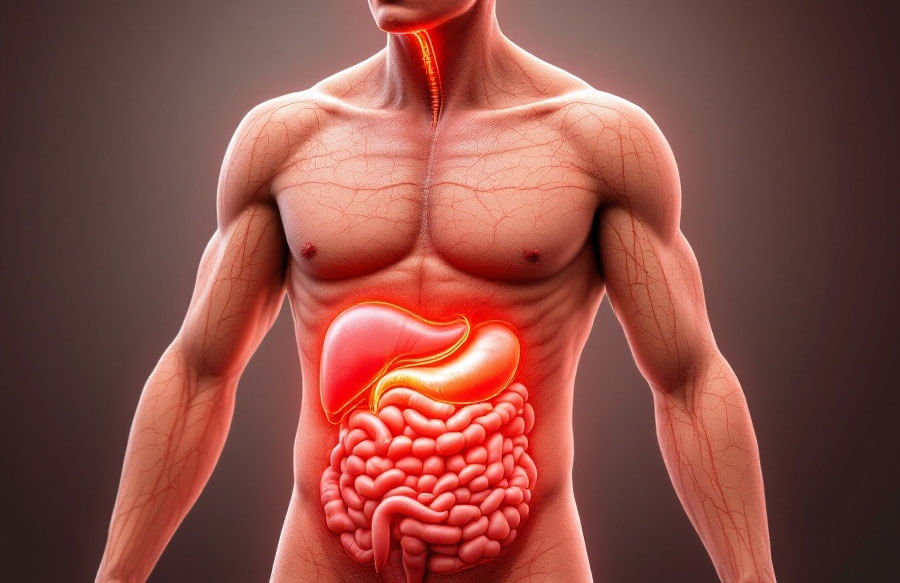
What Is Variceal Banding?
Variceal banding is performed using a flexible endoscope fitted with a specialised banding device. The gastroenterologist identifies enlarged oesophageal veins and places small elastic bands around them.
The bands restrict blood flow through the targeted varix, causing it to shrink and eventually detach. The treated area heals naturally, while the procedure helps control or reduce the risk of significant bleeding from oesophageal varices.
Why Is Variceal Banding Performed?
Variceal banding may be recommended to treat bleeding oesophageal varices or to reduce the risk of future bleeding in patients who are at significant risk.
- Bleeding from oesophageal varices
- Large or high-risk oesophageal varices
- Portal hypertension associated with chronic liver disease
- Cirrhosis-related varices
- Prevention of recurrent variceal bleeding
How Is Variceal Banding Performed?
The procedure is generally performed with appropriate sedation. A flexible endoscope is carefully passed through the mouth into the oesophagus. The gastroenterologist examines the oesophageal lining and identifies the enlarged veins.
A specialised banding attachment is used to gently draw the varix into the device. A small elastic band is then released around the varix to stop or significantly reduce blood flow through it. Multiple varices may be treated during the same session when appropriate.
In patients requiring repeated treatment, follow-up endoscopic sessions may be scheduled until the varices are adequately controlled.
When Is Variceal Banding Recommended?
Variceal banding is commonly considered in patients with oesophageal varices that have bled or those assessed to have a significant risk of bleeding. The decision is based on the size and appearance of the varices, previous bleeding, liver disease, and the patient's overall clinical condition.
- Active or recent variceal bleeding
- Large oesophageal varices with high-risk features
- History of previous variceal bleeding
- Patients requiring endoscopic prevention of recurrent bleeding
Role in Liver Disease
Oesophageal varices are commonly associated with portal hypertension, which can develop in patients with advanced chronic liver disease and cirrhosis. Increased pressure in the portal venous system can cause blood to divert through smaller veins in the oesophagus, making them enlarged and vulnerable to bleeding.
Variceal banding addresses the varices themselves, while the underlying liver disease and portal hypertension require ongoing medical management and monitoring.
Benefits of Variceal Banding
- Minimally invasive endoscopic treatment
- Helps control bleeding from oesophageal varices
- Reduces the risk of recurrent variceal bleeding
- Can treat multiple varices during an endoscopic session
- Does not require conventional open surgery
- Can be repeated when clinically required
Preparation & Recovery
Patients are generally advised to remain fasting before the procedure. Medication instructions may be adjusted based on the patient's medical condition and medicines being taken. Because sedation is commonly used, patients may require someone to accompany them after the procedure.
Mild throat discomfort or temporary difficulty swallowing may occur after banding. Patients are generally given dietary and medication instructions and are advised to follow the gastroenterologist's recommendations regarding follow-up endoscopy.
Risks & Considerations
Variceal banding is generally considered an effective procedure, but temporary chest or throat discomfort, difficulty swallowing, ulcer formation at the treated site, bleeding, or other complications can occur. The risk profile depends on the severity of liver disease and whether the procedure is being performed for active bleeding or preventive treatment.
Patients with liver disease require ongoing management of the underlying condition and regular monitoring for complications related to portal hypertension.
When to Seek Urgent Medical Attention?
Vomiting blood, passing black or tarry stools, dizziness, fainting, severe weakness, or symptoms suggesting significant gastrointestinal bleeding require urgent medical evaluation. Variceal bleeding can be life-threatening and requires prompt specialist treatment.
Final Thoughts
Variceal banding is an important advanced endoscopic procedure for controlling and preventing bleeding from oesophageal varices, particularly in patients with portal hypertension and chronic liver disease. Timely diagnosis, appropriate endoscopic treatment, and ongoing management of the underlying liver condition are essential for reducing complications. Dr. Manish Dodmani provides advanced endoscopic care for gastrointestinal bleeding and liver-related complications with a focus on safe and individualized treatment.