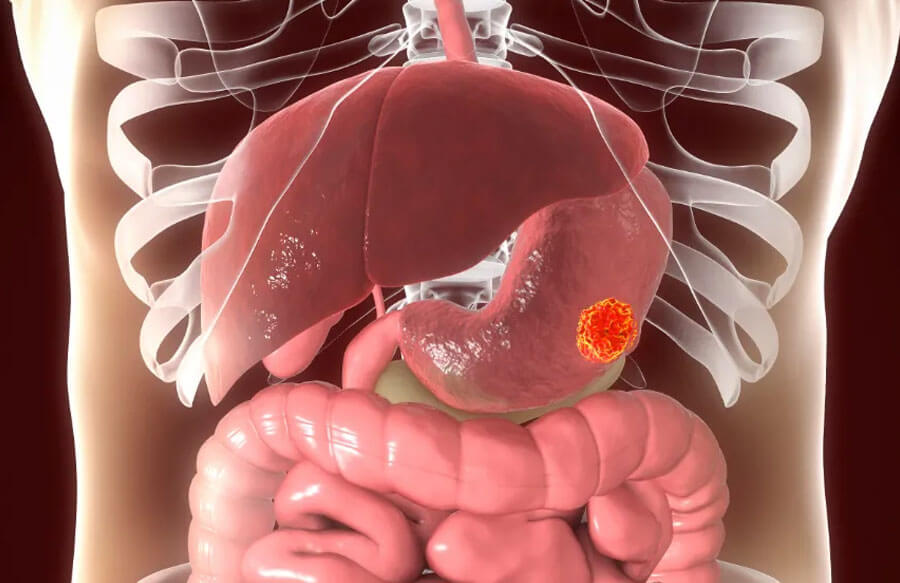
Gastrointestinal (GI) Cancers
Gastrointestinal (GI) cancers are cancers that develop in different parts of the digestive system, including the oesophagus, stomach, small intestine, colon, rectum, pancreas, liver, gallbladder, and bile ducts. Early evaluation and accurate diagnosis are important for appropriate treatment planning.
What Are Gastrointestinal (GI) Cancers?
GI cancers occur when abnormal cells in the digestive tract or associated organs grow uncontrollably. The type and location of cancer determine its symptoms, progression, and treatment approach. Some gastrointestinal cancers may develop from precancerous lesions such as certain colon polyps.
Common Symptoms
- Persistent abdominal pain or discomfort
- Difficulty or pain while swallowing
- Persistent indigestion or heartburn
- Unexplained weight loss
- Changes in bowel habits
- Blood in stools or black stools
- Persistent nausea or vomiting
- Loss of appetite
- Jaundice in cancers affecting the liver or bile ducts
- Unexplained fatigue or anaemia
Causes & Risk Factors
The risk of GI cancers may be influenced by age, family history, genetic conditions, smoking, excessive alcohol consumption, obesity, certain infections, chronic inflammation, and dietary and lifestyle factors. Risk factors vary depending on the specific type and location of cancer.
Diagnosis & Evaluation
Evaluation depends on the symptoms and suspected location of the disease. Investigations may include blood tests, imaging studies, upper gastrointestinal endoscopy, colonoscopy, endoscopic ultrasound (EUS), and tissue biopsy when required. These investigations help identify abnormal areas and determine the nature and extent of the disease.
Role of Advanced Endoscopy
Advanced endoscopic techniques can play an important role in the diagnosis and management of selected gastrointestinal lesions. Procedures such as EUS, endoscopic mucosal resection (EMR), and endoscopic submucosal dissection (ESD) may be considered for appropriately selected lesions. The treatment approach depends on the type, size, location, and stage of the disease.
When to See a Doctor?
Persistent digestive symptoms, unexplained weight loss, difficulty swallowing, recurrent vomiting, blood in stools, black stools, jaundice, or unexplained anaemia should be evaluated by a gastroenterologist. Early assessment can help identify concerning conditions at an earlier stage.
Final Thoughts
Gastrointestinal cancers require accurate diagnosis and coordinated medical care. Timely evaluation by a gastroenterologist, appropriate endoscopic assessment, and tissue diagnosis can help guide further treatment and provide a clear understanding of the condition.