Foreign Body Removal
Foreign body removal is an advanced endoscopic procedure used to safely remove objects that have been accidentally swallowed and become lodged in the oesophagus, stomach, or other accessible parts of the gastrointestinal tract. Prompt endoscopic evaluation can help prevent obstruction, tissue injury, bleeding, or other complications.
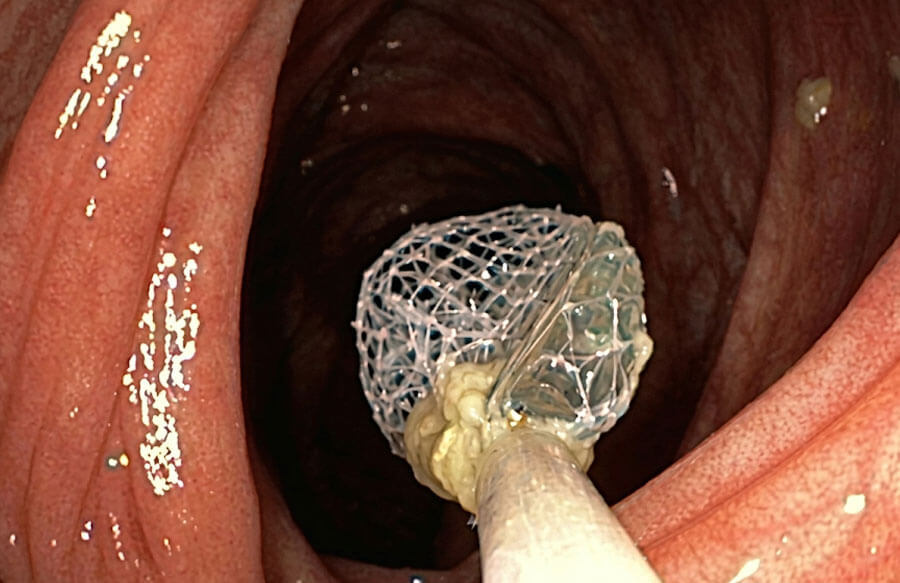
What Is Foreign Body Removal?
Foreign body removal involves using a flexible endoscope and specialised accessories to locate and retrieve an object from the digestive tract. The endoscope provides direct visualization of the object and surrounding tissue, allowing the gastroenterologist to select an appropriate retrieval technique.
Depending on the size, shape, location, and nature of the object, specialised graspers, retrieval nets, snares, or other endoscopic devices may be used. The procedure is performed carefully to minimise injury to the digestive tract.
Why Is Foreign Body Removal Performed?
Endoscopic removal may be required when a swallowed object becomes lodged in the digestive tract or has a significant risk of causing injury or obstruction.
- Objects stuck in the oesophagus
- Swallowed food boluses causing obstruction
- Accidentally swallowed coins or small objects
- Sharp or pointed objects
- Objects that may cause tissue injury
- Foreign bodies that fail to pass naturally
- Objects causing difficulty swallowing or chest discomfort
How Is Foreign Body Removal Performed?
The procedure is generally performed under appropriate sedation or anaesthesia, depending on the patient's age, condition, location of the object, and complexity of the procedure. A flexible endoscope is carefully passed through the mouth to examine the oesophagus, stomach, and upper digestive tract.
Once the foreign body is identified, specialised endoscopic instruments are used to securely grasp and retrieve it. Protective devices may be used when necessary, particularly for sharp or irregular objects, to reduce the risk of injury while the object is being removed.
After removal, the gastroenterologist carefully examines the surrounding tissue for abrasions, bleeding, perforation, or other injury.
Common Foreign Bodies Requiring Removal
- Food bolus impaction
- Coins and small objects
- Sharp or pointed objects
- Fish or chicken bones
- Dentures or dental appliances
- Selected medication packaging or other accidentally swallowed objects
Why Prompt Treatment Is Important?
A foreign object lodged in the digestive tract can cause pressure-related injury, mucosal damage, bleeding, perforation, or obstruction. Sharp objects may cause more significant injury if they remain in the digestive tract or migrate through the intestinal wall.
Timely assessment helps determine whether the object can be safely observed for natural passage or requires endoscopic removal. The urgency depends on the type and location of the foreign body and the patient's symptoms.
Benefits of Endoscopic Foreign Body Removal
- Minimally invasive approach
- Direct visualization of the foreign object
- Allows controlled and precise retrieval
- Can help prevent obstruction and tissue injury
- Allows examination of the digestive tract after removal
- May avoid the need for surgical intervention in suitable cases
Preparation & Recovery
Preparation depends on the urgency of the situation and the location of the foreign body. In emergency cases, the procedure may need to be performed promptly, and fasting instructions may not always be possible. Appropriate sedation or anaesthesia is selected according to the clinical situation.
After removal, patients are monitored for symptoms and signs of injury. If the digestive tract is found to be intact and the patient is stable, recovery is generally straightforward. Further treatment may be required if there is significant tissue injury or another underlying condition.
Risks & Considerations
Although endoscopic foreign body removal is generally effective, potential complications may include bleeding, mucosal injury, perforation, aspiration, or complications related to sedation. The risk depends on the object's size, shape, location, duration of impaction, and the patient's overall condition.
When Is It an Emergency?
Difficulty breathing, inability to swallow saliva, severe chest or abdominal pain, persistent vomiting, choking, or suspected ingestion of a sharp or dangerous object requires urgent medical evaluation. Prompt assessment is particularly important when an object is suspected to be lodged in the oesophagus or is causing significant symptoms.
Final Thoughts
Endoscopic foreign body removal provides a safe and minimally invasive method for retrieving many objects lodged in the gastrointestinal tract. Early evaluation and appropriate endoscopic treatment can help prevent serious complications and avoid surgery in suitable cases. Dr. Manish Dodmani provides advanced endoscopic management with careful assessment and patient-focused care for gastrointestinal foreign body removal.