Diagnostic Endoscopy
Diagnostic endoscopy is a minimally invasive procedure used to examine the upper digestive tract and identify abnormalities affecting the oesophagus, stomach, and duodenum. It helps a gastroenterologist accurately evaluate symptoms and detect conditions that may not be visible through routine tests.
What Is Diagnostic Endoscopy?
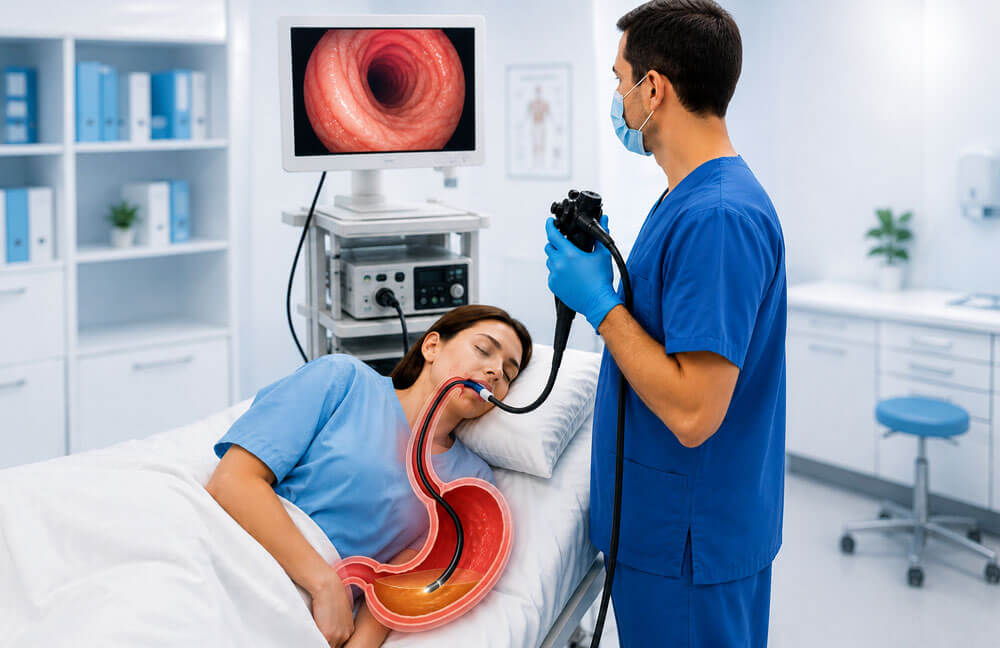
Diagnostic endoscopy, commonly performed as an upper gastrointestinal endoscopy or gastroscopy, uses a thin, flexible endoscope with a camera and light to examine the lining of the upper digestive system. The images are viewed on a monitor, allowing detailed assessment of the digestive tract.
During the procedure, the gastroenterologist can also collect small tissue samples, known as biopsies, when required. These samples can be examined to help diagnose inflammation, infection, abnormal tissue, or other gastrointestinal conditions.
Why Is Diagnostic Endoscopy Performed?
Diagnostic endoscopy may be recommended when symptoms require detailed evaluation or when a condition affecting the upper digestive tract is suspected.
- Persistent heartburn or acid reflux
- Difficulty or pain while swallowing
- Persistent upper abdominal pain
- Unexplained nausea or vomiting
- Indigestion that does not improve
- Upper gastrointestinal bleeding
- Unexplained anaemia
- Unexplained weight loss
- Evaluation of suspected ulcers or inflammation
How Is the Procedure Performed?
Before the procedure, the patient is generally advised to remain fasting for a specified period. After appropriate preparation and sedation or anaesthesia as advised, the flexible endoscope is gently passed through the mouth into the oesophagus, stomach, and duodenum.
The camera provides a clear view of the digestive tract lining. If an abnormal area is identified, the gastroenterologist may take a biopsy for further evaluation. In selected cases, minor findings may also be managed during the same endoscopic session.
What Can Diagnostic Endoscopy Detect?
- Gastritis and inflammation
- Peptic ulcers
- Gastroesophageal reflux-related changes
- Oesophageal strictures
- Abnormal growths or lesions
- Sources of upper GI bleeding
- Oesophageal and gastric varices
- Suspicious areas requiring biopsy
Preparation & Aftercare
Patients are usually advised to avoid food and liquids for a specified period before the procedure. Certain medicines, particularly blood-thinning medicines, may require special instructions from the treating doctor. After the procedure, patients are monitored until the effects of sedation have reduced.
Mild throat discomfort or temporary bloating may occur after endoscopy. Patients should follow the post-procedure instructions provided by the gastroenterologist and avoid driving or making important decisions until the effects of sedation have completely worn off.
Benefits of Diagnostic Endoscopy
- Provides direct visualization of the upper digestive tract
- Helps identify the cause of persistent digestive symptoms
- Allows tissue biopsy when required
- Can help detect ulcers, inflammation, bleeding, and abnormal lesions
- Supports early diagnosis of significant gastrointestinal conditions
- Minimally invasive compared with traditional surgical exploration
When to Consult a Gastroenterologist?
Persistent digestive symptoms, difficulty swallowing, recurrent heartburn, unexplained weight loss, vomiting, anaemia, or signs of upper gastrointestinal bleeding may require further evaluation with diagnostic endoscopy. A gastroenterologist can determine whether the procedure is appropriate based on your symptoms and medical history.
Final Thoughts
Diagnostic endoscopy is an important tool for accurately evaluating disorders of the upper digestive tract. With direct visualization and the ability to perform biopsies when required, it can help establish an accurate diagnosis and guide appropriate treatment. Dr. Manish Dodmani provides comprehensive diagnostic and advanced endoscopic care tailored to each patient's digestive health needs.