Colonoscopy
Colonoscopy is a minimally invasive procedure used to examine the inner lining of the large intestine, including the colon and rectum. It is an important diagnostic and therapeutic procedure for evaluating bowel symptoms, detecting colon polyps, identifying sources of bleeding, and screening for colorectal cancer.
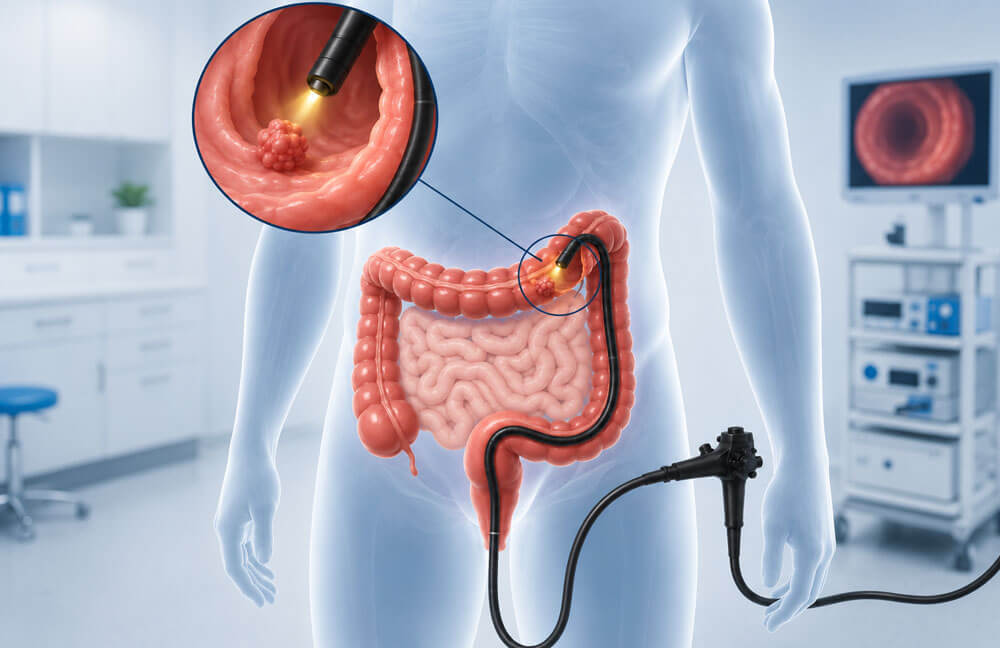
What Is Colonoscopy?
Colonoscopy is performed using a thin, flexible tube called a colonoscope, which has a camera and light at its tip. The instrument is gently passed through the rectum and advanced through the colon, allowing the gastroenterologist to examine the intestinal lining in detail.
If an abnormal area or polyp is identified, the doctor may take a tissue sample for further examination or remove the polyp during the same procedure. This makes colonoscopy useful for both diagnosis and treatment.
Why Is Colonoscopy Performed?
Colonoscopy may be recommended for a variety of symptoms, digestive conditions, and preventive screening purposes.
- Blood in stools or rectal bleeding
- Persistent changes in bowel habits
- Chronic diarrhea or constipation
- Persistent abdominal pain or discomfort
- Unexplained weight loss
- Unexplained iron-deficiency anaemia
- Evaluation of inflammatory bowel disease
- Detection and surveillance of colon polyps
- Screening for colorectal cancer
How Is the Procedure Performed?
Before colonoscopy, the bowel needs to be thoroughly cleansed so that the colon lining can be clearly examined. The patient is given specific bowel preparation instructions and may need to follow dietary restrictions before the procedure.
During the procedure, appropriate sedation or anaesthesia may be provided. The colonoscope is gently introduced through the rectum and advanced through the colon. The camera provides detailed images of the intestinal lining, allowing the gastroenterologist to identify inflammation, polyps, bleeding sites, abnormal growths, or other changes.
When required, tissue biopsies, polyp removal, or other therapeutic interventions can be performed during the same procedure.
What Can Colonoscopy Detect?
- Colon and rectal polyps
- Colorectal cancer and suspicious lesions
- Inflammatory bowel disease
- Sources of lower gastrointestinal bleeding
- Inflammation and ulceration
- Changes in the colon lining
- Diverticular disease
- Other abnormalities of the large intestine
Therapeutic Procedures During Colonoscopy
One of the major advantages of colonoscopy is that certain abnormalities can be treated without requiring separate surgery. Depending on the findings, the gastroenterologist may perform procedures such as polypectomy, biopsy, endoscopic mucosal resection (EMR), or endoscopic management of selected bleeding lesions.
Removing precancerous polyps during colonoscopy can help reduce the risk of progression to colorectal cancer. Larger or complex lesions may require advanced endoscopic techniques and careful assessment before treatment.
Preparation & Aftercare
Proper bowel preparation is essential for a successful colonoscopy. Patients are generally advised to follow a prescribed low-residue or clear-liquid diet before the procedure and take the recommended bowel-cleansing preparation.
After the procedure, mild bloating or abdominal discomfort may occur temporarily. If sedation has been used, patients generally need someone to accompany them and should avoid driving until the effects of sedation have completely worn off.
Benefits of Colonoscopy
- Provides direct visualization of the entire colon
- Helps identify the cause of bowel-related symptoms
- Detects colon polyps and suspicious lesions
- Supports early detection of colorectal cancer
- Allows biopsies when required
- Enables removal of many polyps during the same procedure
- Can help diagnose and monitor inflammatory bowel disease
When to Consult a Gastroenterologist?
Persistent changes in bowel habits, blood in stools, unexplained anaemia, chronic diarrhea or constipation, recurring abdominal pain, or unexplained weight loss should be evaluated by a gastroenterologist. Individuals with a personal or family history of colon polyps or colorectal cancer may also require appropriate screening and surveillance.
Final Thoughts
Colonoscopy is an important diagnostic, screening, and therapeutic procedure for maintaining colorectal health. It can help detect abnormalities at an early stage and allows many conditions, including colon polyps, to be treated during the same procedure. Dr. Manish Dodmani provides comprehensive colonoscopy and advanced endoscopic care based on each patient's symptoms, risk factors, and clinical needs.