Colon Polyps
Colon polyps are abnormal growths that develop on the inner lining of the colon or rectum. Most polyps do not cause symptoms, but some types can gradually develop into colorectal cancer, making timely screening and removal important.
What Are Colon Polyps?
Colon polyps are small growths that arise from the lining of the large intestine. They can vary in size and appearance and may be classified as non-neoplastic or neoplastic. Some neoplastic polyps, particularly adenomatous polyps, have the potential to become cancerous over time.
Common Symptoms
- Often no noticeable symptoms
- Blood in the stool or rectal bleeding
- Changes in bowel habits
- Persistent constipation or diarrhea
- Abdominal discomfort or cramping
- Unexplained iron-deficiency anaemia
- Changes in stool appearance
Causes & Risk Factors
The exact cause of colon polyps is not always known. The risk may increase with age, family history of polyps or colorectal cancer, certain inherited conditions, obesity, smoking, alcohol consumption, and diets high in processed or red meat and low in fibre.
Diagnosis & Treatment
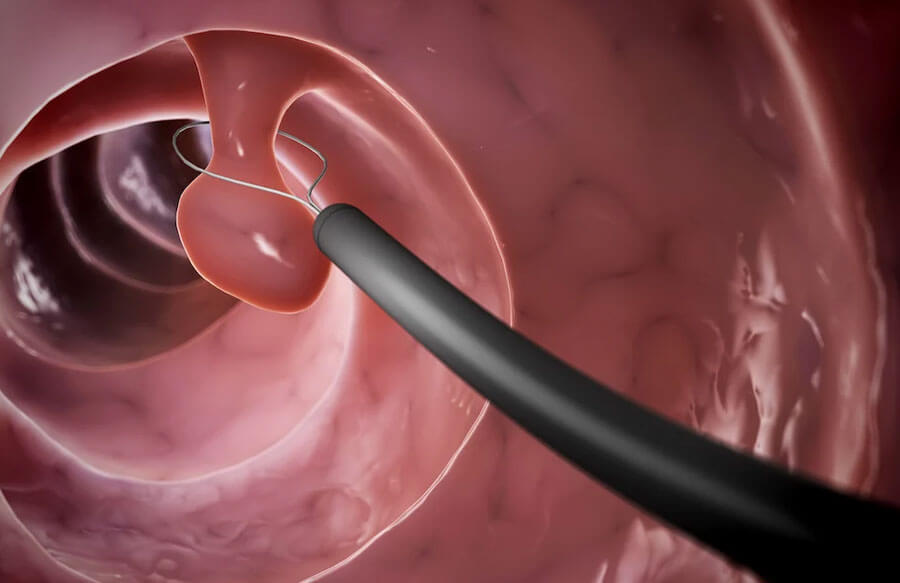
Colonoscopy is the primary investigation used to identify colon polyps and allows the gastroenterologist to examine the entire colon. When a polyp is detected, it may often be removed during the same procedure through techniques such as polypectomy or endoscopic mucosal resection (EMR). Removed tissue can be sent for laboratory examination to determine its type and characteristics.
Prevention & Screening
- Follow recommended colorectal cancer screening schedules
- Maintain a healthy body weight
- Eat a balanced, fibre-rich diet
- Limit processed and excessive red meat
- Avoid smoking
- Limit alcohol consumption
- Follow recommended surveillance after polyp removal
When to See a Doctor?
Rectal bleeding, blood in stools, persistent changes in bowel habits, unexplained anaemia, or a family history of colorectal cancer should be discussed with a gastroenterologist. Regular screening is particularly important because many colon polyps do not cause noticeable symptoms.
Final Thoughts
Most colon polyps can be detected and removed during colonoscopy before they develop into colorectal cancer. Appropriate screening, timely polyp removal, and regular follow-up can play an important role in maintaining long-term colorectal health.