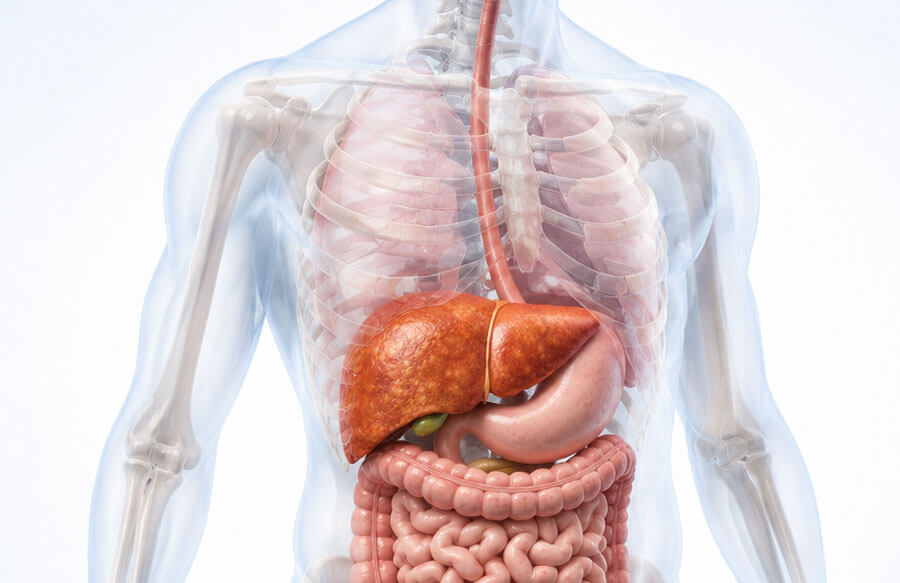
Liver Diseases
Liver diseases are conditions that affect the normal functioning of the liver and may interfere with digestion, metabolism, and the body's natural detoxification processes. Early evaluation and appropriate management can help protect liver health and prevent complications.
What Are Liver Diseases?
Liver diseases include a wide range of conditions that can cause inflammation, injury, scarring, or impaired liver function. They may result from infections, fatty liver disease, alcohol-related liver injury, metabolic conditions, autoimmune disorders, or other underlying causes.
Common Symptoms
- Fatigue and weakness
- Loss of appetite
- Nausea or digestive discomfort
- Abdominal pain or discomfort
- Yellowing of the skin or eyes
- Dark-coloured urine
- Swelling of the abdomen or legs
- Unexplained weight changes
Causes & Risk Factors
Liver diseases may be associated with viral infections, excessive alcohol consumption, obesity, diabetes, metabolic disorders, certain medicines, autoimmune conditions, and other factors. Some liver conditions may develop gradually without noticeable symptoms in their early stages.
Diagnosis & Treatment
Evaluation may include a detailed medical history, physical examination, liver function tests, blood investigations, abdominal ultrasound, and other imaging or specialized tests when required. Treatment depends on the type and cause of liver disease and may include lifestyle changes, medicines, monitoring, and management of associated conditions.
Lifestyle Tips
- Maintain a healthy body weight
- Follow a balanced and nutritious diet
- Limit or avoid excessive alcohol consumption
- Exercise regularly as advised
- Control diabetes, cholesterol, and other metabolic conditions
- Avoid unnecessary medicines or supplements without medical advice
- Attend regular follow-up evaluations when recommended
When to See a Doctor?
Persistent fatigue, abdominal discomfort, jaundice, swelling, unexplained weight changes, or abnormal liver test results should be evaluated by a gastroenterologist. Early consultation is particularly important for individuals with known liver disease or risk factors for liver-related complications.
Final Thoughts
Many liver diseases can be effectively managed when identified early and treated according to their underlying cause. Regular monitoring, healthy lifestyle habits, and appropriate medical care can help maintain liver function and reduce the risk of long-term complications.