Therapeutic Endoscopy
Therapeutic endoscopy is an advanced minimally invasive approach used to diagnose and treat a wide range of gastrointestinal conditions through an endoscope. It allows selected digestive tract problems to be managed without conventional open surgery, often combining diagnosis and treatment in the same procedure.
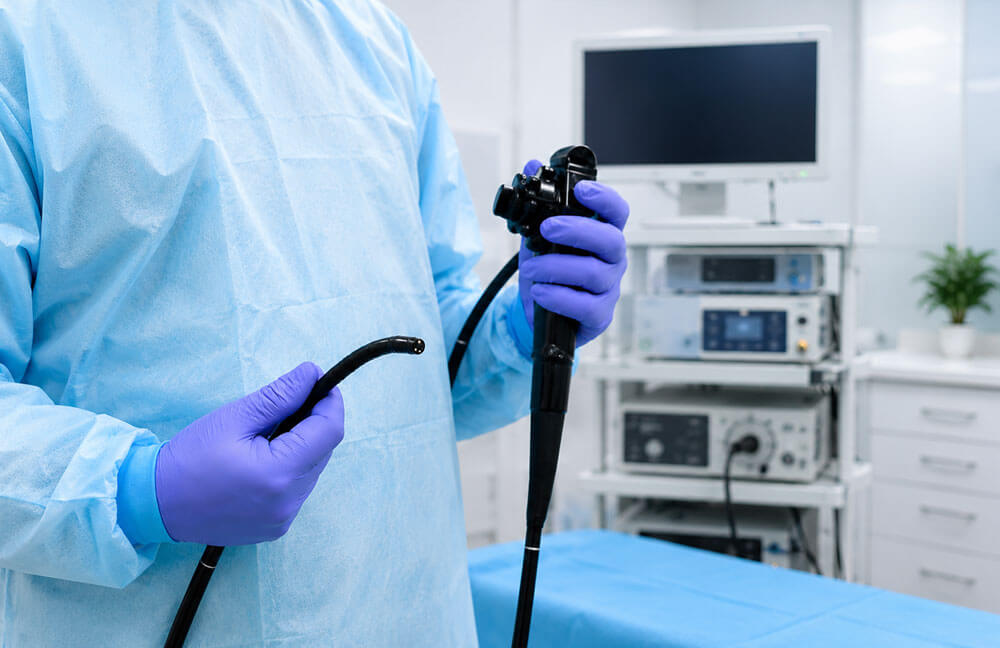
What Is Therapeutic Endoscopy?
Therapeutic endoscopy involves using specialized endoscopic instruments to treat abnormalities within the digestive tract. Depending on the condition, an endoscope may be used to control bleeding, remove polyps or abnormal tissue, widen narrowed areas, remove foreign bodies, place stents, or perform other advanced interventions.
These procedures are performed through natural body openings and are designed to minimize the need for external surgical incisions. The specific technique is selected according to the location, size, nature, and complexity of the condition.
When Is Therapeutic Endoscopy Recommended?
Therapeutic endoscopy may be recommended when a gastrointestinal condition can be effectively treated using an endoscopic approach.
- Gastrointestinal bleeding
- Colon and gastrointestinal polyps
- Benign or selected superficial gastrointestinal lesions
- Oesophageal or intestinal strictures
- Foreign bodies in the digestive tract
- Oesophageal and gastric varices
- Bile duct stones and obstruction
- Selected gastrointestinal blockages
- Conditions requiring luminal stenting
- Selected oesophageal motility disorders
How Is Therapeutic Endoscopy Performed?
The procedure depends on the condition being treated and may involve upper GI endoscopy, colonoscopy, ERCP, EUS, or another specialized endoscopic technique. Appropriate sedation or anaesthesia is generally provided according to the procedure and patient's medical condition.
Once the endoscope reaches the area requiring treatment, specialized accessories can be passed through the instrument. These may be used to remove abnormal tissue, control bleeding, dilate narrowed areas, retrieve stones or foreign bodies, or perform other therapeutic interventions.
Common Therapeutic Endoscopic Procedures
- Polypectomy for removal of gastrointestinal polyps
- Endoscopic Mucosal Resection (EMR)
- Endoscopic Submucosal Dissection (ESD)
- Endoscopic treatment of gastrointestinal bleeding
- Variceal banding and sclerotherapy
- Balloon dilatation of gastrointestinal strictures
- Foreign body removal
- Luminal stent placement
- ERCP for selected pancreatic and biliary conditions
- POEM for selected oesophageal motility disorders
Benefits of Therapeutic Endoscopy
Therapeutic endoscopy offers several advantages for appropriately selected patients. It can provide effective treatment while avoiding the larger incisions associated with conventional surgery.
- Minimally invasive approach
- Reduced need for conventional surgery in selected conditions
- Direct visualization of the treatment area
- Diagnosis and treatment can sometimes be performed during the same procedure
- Potentially shorter recovery compared with major surgery
- Useful for a wide range of gastrointestinal conditions
Preparation & Recovery
Preparation varies depending on the type of therapeutic endoscopy being performed. Patients may need to fast before an upper gastrointestinal procedure or undergo bowel preparation before colonoscopy. Certain medicines, including blood thinners, may require specific instructions from the treating doctor.
Recovery depends on the complexity of the procedure and the patient's overall health. Patients are generally monitored after sedation or anaesthesia and receive specific dietary, medication, and activity instructions before discharge.
Risks & Considerations
Although therapeutic endoscopy is minimally invasive, potential risks vary depending on the procedure and the condition being treated. These may include bleeding, infection, perforation, adverse reactions to sedation, or other procedure-specific complications. A gastroenterologist will discuss the expected benefits and potential risks before the procedure.
When to Consult a Gastroenterologist?
Patients with persistent digestive symptoms, gastrointestinal bleeding, swallowing difficulties, suspected polyps, bile duct problems, strictures, or other conditions requiring advanced endoscopic treatment may benefit from consultation with an experienced gastroenterologist and interventional endoscopist.
Final Thoughts
Therapeutic endoscopy provides advanced, minimally invasive treatment for a wide range of gastrointestinal conditions. With appropriate patient selection and specialized endoscopic expertise, many conditions can be effectively managed without conventional surgery. Dr. Manish Dodmani offers comprehensive therapeutic endoscopic care focused on safe, precise, and personalized treatment.