Luminal Stenting
Luminal stenting is an advanced endoscopic procedure used to open and maintain narrowed or blocked sections of the gastrointestinal tract. A specially designed expandable stent is placed within the affected area to restore the passage of food, fluids, or digestive contents and relieve symptoms caused by obstruction.
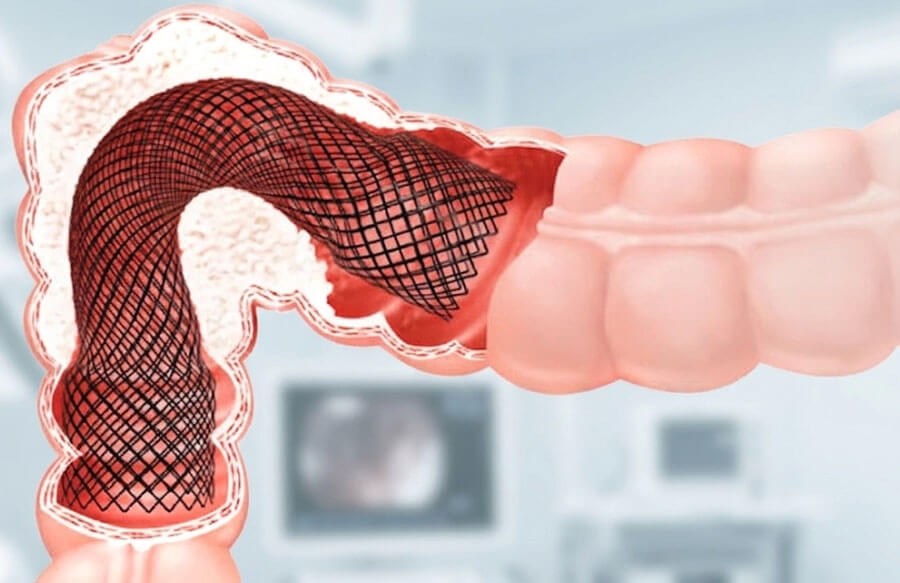
What Is Luminal Stenting?
Luminal stenting involves placing a tubular device, known as a stent, inside a narrowed or obstructed section of the digestive tract. The stent expands against the walls of the affected area and helps maintain an open passage.
Depending on the location and underlying condition, stenting may be performed in the oesophagus, stomach, duodenum, colon, or other suitable gastrointestinal segments. The procedure is generally performed using endoscopic and imaging guidance to ensure accurate placement.
Why Is Luminal Stenting Performed?
Luminal stenting may be considered when a gastrointestinal narrowing or obstruction significantly interferes with the normal passage of food or intestinal contents and endoscopic stent placement is appropriate.
- Malignant gastrointestinal obstruction
- Oesophageal narrowing caused by selected cancers
- Gastric outlet or duodenal obstruction
- Selected colorectal obstructions
- Benign gastrointestinal strictures in selected cases
- Selected postoperative or treatment-related strictures
- Conditions causing significant narrowing of the digestive tract
How Is Luminal Stenting Performed?
The procedure is generally performed under appropriate sedation or anaesthesia. A flexible endoscope is introduced into the digestive tract and advanced to the narrowed or blocked area.
The gastroenterologist carefully assesses the location and extent of the obstruction. A suitable stent is then positioned across the narrowed segment using endoscopic and, when required, imaging guidance. Once deployed, the stent expands to help restore the opening and allow passage through the affected area.
The position and expansion of the stent are checked to ensure that it is appropriately placed and functioning as intended.
Types of Gastrointestinal Areas That May Be Stented
- Oesophagus
- Stomach and gastric outlet
- Duodenum
- Colon
- Selected areas of the gastrointestinal tract affected by strictures or obstruction
Luminal Stenting for Gastrointestinal Cancer
Gastrointestinal cancers can sometimes cause narrowing or blockage of the digestive tract, leading to difficulty swallowing, vomiting, abdominal discomfort, or inability to pass intestinal contents. In appropriately selected patients, luminal stenting can help relieve the obstruction and improve the passage through the affected area.
In advanced or unresectable disease, stenting may provide symptom relief and support nutritional intake or bowel function. The choice of stent and treatment approach depends on the location, cause, extent of obstruction, and overall treatment plan.
Benefits of Luminal Stenting
- Minimally invasive endoscopic approach
- Helps restore the passage through a narrowed digestive tract
- Can relieve symptoms caused by gastrointestinal obstruction
- May help improve swallowing or the passage of food
- Can help manage selected malignant obstructions
- May reduce the need for emergency surgical intervention in appropriately selected cases
Preparation & Recovery
Preparation varies according to the location of the obstruction and the type of stent being placed. Patients may be required to fast before the procedure, and additional preparation may be necessary for procedures involving the lower gastrointestinal tract.
After stent placement, dietary and activity instructions depend on the location and type of stent. Patients may initially require a modified diet and gradual progression of food consistency as advised by the gastroenterologist.
Risks & Considerations
Although luminal stenting can provide effective relief of gastrointestinal obstruction, potential complications may include bleeding, perforation, pain, stent migration, blockage, or tissue overgrowth. In some cases, the stent may require repositioning, replacement, or additional treatment.
The expected benefits and risks are carefully considered based on the underlying disease, location of the obstruction, type of stent, and the patient's overall health.
Follow-Up After Stenting
Regular follow-up is important after luminal stent placement. Patients should report new or worsening difficulty swallowing, persistent vomiting, severe abdominal pain, bleeding, or changes in bowel function.
Depending on the underlying condition and type of stent, follow-up imaging or endoscopic assessment may be recommended to evaluate stent position and function and to determine whether further treatment is required.
When to Consult a Gastroenterologist?
Patients experiencing progressive difficulty swallowing, persistent vomiting, abdominal distension, changes in bowel passage, or symptoms caused by a known gastrointestinal narrowing may require specialist evaluation. An experienced gastroenterologist can assess the obstruction and determine whether endoscopic stenting or another treatment approach is appropriate.
Final Thoughts
Luminal stenting is an advanced endoscopic technique that can help restore the passage through selected narrowed or obstructed areas of the gastrointestinal tract. It can provide meaningful symptom relief and support digestive function in appropriately selected patients. Dr. Manish Dodmani provides advanced interventional endoscopic care with careful assessment, precise stent placement, and individualized treatment planning.