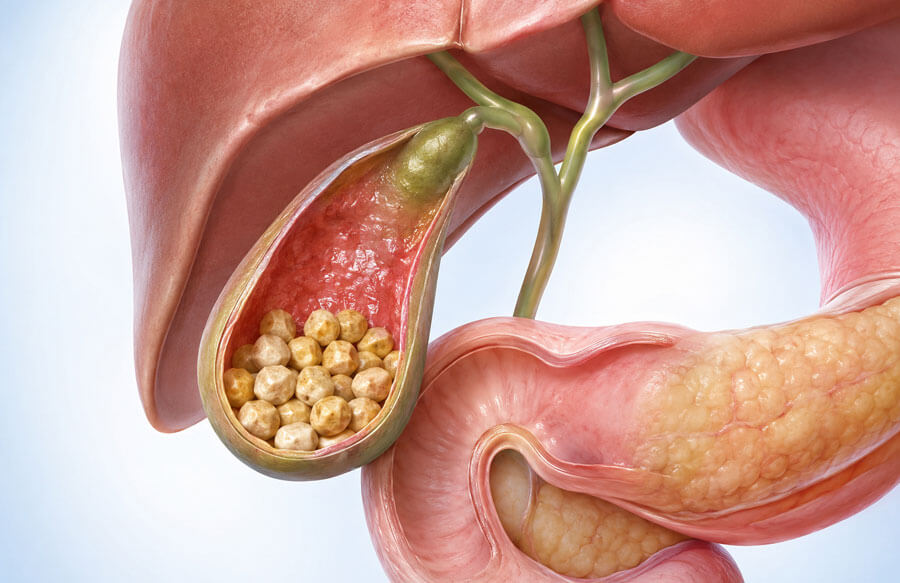
Gallstones
Gallstones are hardened deposits that develop inside the gallbladder and may cause abdominal pain, digestive discomfort, or complications when they block the bile ducts.
What Are Gallstones?
Gallstones are solid particles formed from substances present in bile, most commonly cholesterol or bilirubin. They may remain in the gallbladder without causing symptoms, but stones that move into or block the bile ducts can lead to pain, inflammation, jaundice, or other complications.
Common Symptoms
- Sudden or recurring pain in the upper right abdomen
- Upper abdominal pain after meals
- Pain that may spread to the back or right shoulder
- Nausea and vomiting
- Bloating or indigestion
- Fever when inflammation or infection develops
- Yellowing of the skin or eyes if a bile duct is blocked
Causes & Risk Factors
Gallstones may form when there is an imbalance in the substances that make up bile. Risk factors include obesity, rapid weight loss, diabetes, certain metabolic conditions, family history, and increasing age. Some individuals may develop gallstones without any obvious risk factors.
Diagnosis & Treatment
Gallstones are commonly diagnosed using abdominal ultrasound. Blood tests and additional imaging or endoscopic investigations may be recommended when bile duct stones or complications are suspected. Treatment depends on the symptoms and location of the stones and may include observation for asymptomatic stones, medicines in selected cases, or procedures such as ERCP when stones are present in the bile duct.
Lifestyle Tips
- Maintain a healthy body weight
- Avoid rapid or extreme weight loss
- Follow a balanced diet with appropriate portions
- Limit foods high in unhealthy fats if they trigger symptoms
- Stay physically active
- Manage diabetes and other metabolic conditions
- Follow your gastroenterologist's advice and recommended follow-ups
When to See a Doctor?
Recurring upper abdominal pain, particularly after meals, should be evaluated by a gastroenterologist. Severe abdominal pain, persistent vomiting, fever, chills, or yellowing of the skin or eyes may indicate a complication and requires prompt medical attention.
Final Thoughts
Gallstones may remain harmless when they do not cause symptoms, but symptomatic stones or stones that enter the bile duct may require timely treatment. Proper evaluation can help identify complications and determine the most appropriate management.