Enteroscopy
Enteroscopy is an advanced endoscopic procedure used to examine the small intestine, particularly areas that may not be accessible through conventional upper gastrointestinal endoscopy or colonoscopy. It allows detailed evaluation and, when required, biopsy or treatment of abnormalities within the small bowel.
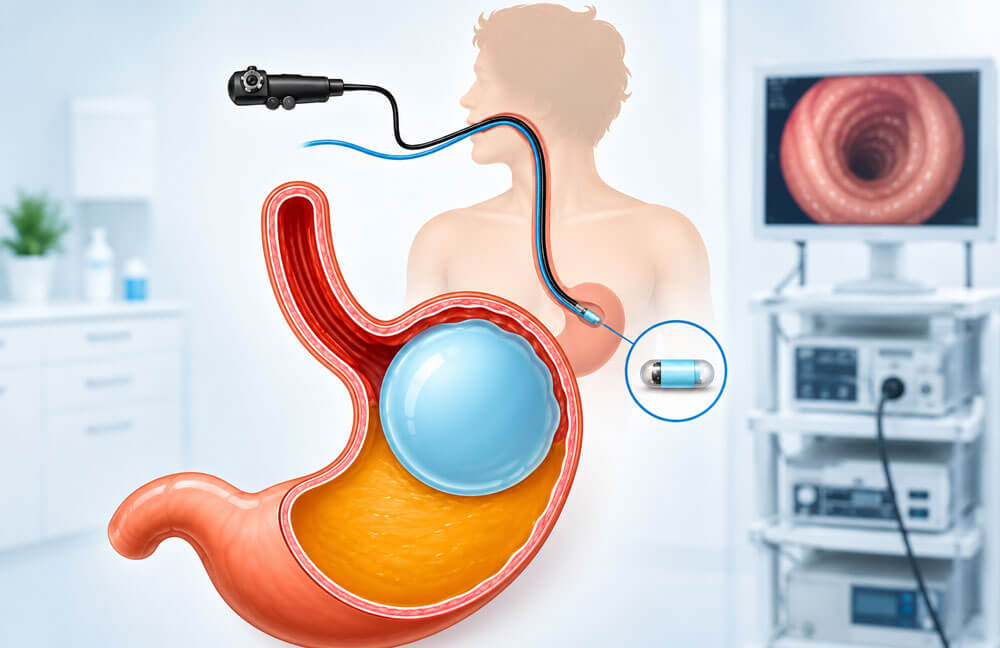
What Is Enteroscopy?
Enteroscopy uses a specialised, flexible endoscope to examine the small intestine beyond the reach of a standard upper GI endoscope. Depending on the suspected location of the abnormality, the endoscope may be introduced through the mouth or, in selected approaches, through the rectum.
Advanced forms of enteroscopy, such as device-assisted enteroscopy, can help the gastroenterologist reach deeper portions of the small intestine. The procedure can provide direct visualization and also allows tissue sampling and selected therapeutic interventions.
Why Is Enteroscopy Performed?
Enteroscopy may be recommended when detailed evaluation of the small intestine is required, particularly when other investigations have identified or strongly suggested an abnormality.
- Unexplained gastrointestinal bleeding
- Iron-deficiency anaemia with suspected small bowel bleeding
- Abnormal findings on capsule endoscopy
- Suspected small intestinal ulcers or inflammation
- Evaluation of Crohn's disease involving the small intestine
- Suspected small bowel tumours or lesions
- Evaluation of abnormal imaging findings
- Removal of selected small intestinal polyps or lesions
How Is the Procedure Performed?
Enteroscopy is generally performed under appropriate sedation or anaesthesia. The specialised endoscope is carefully advanced through the digestive tract to reach the portion of the small intestine requiring evaluation.
Depending on the technique used, specialised devices may help advance the endoscope further into the small bowel. The gastroenterologist examines the intestinal lining and can take biopsies or perform selected therapeutic procedures when required.
What Can Enteroscopy Detect?
- Small intestinal bleeding
- Ulcers and inflammatory changes
- Small bowel polyps
- Abnormal growths or tumours
- Vascular lesions causing gastrointestinal bleeding
- Changes associated with Crohn's disease
- Abnormal areas identified on capsule endoscopy
- Other structural abnormalities of the small intestine
Therapeutic Enteroscopy
Unlike capsule endoscopy, enteroscopy allows the gastroenterologist to perform certain treatments during the same procedure. Depending on the findings, bleeding lesions may be treated, polyps or selected abnormal tissue may be removed, and tissue samples can be obtained for laboratory analysis.
Therapeutic techniques may include polypectomy, endoscopic haemostasis, biopsy, and other specialised interventions based on the location and nature of the abnormality.
Preparation & Recovery
Preparation depends on the route and type of enteroscopy being performed. Patients may need to fast before the procedure and may receive specific dietary, medication, or bowel preparation instructions. Medicines such as blood thinners may require special consideration under medical guidance.
Following sedation or anaesthesia, patients are monitored until they have adequately recovered. Mild throat discomfort, bloating, or temporary abdominal discomfort may occur depending on the procedure. Specific aftercare instructions are provided by the treating gastroenterologist.
Benefits of Enteroscopy
- Provides direct visualization of difficult-to-reach areas of the small intestine
- Helps investigate unexplained small bowel bleeding
- Allows targeted biopsies
- Can provide treatment during the same procedure
- Helps evaluate abnormalities detected through capsule endoscopy
- May avoid the need for surgical exploration in selected cases
Risks & Considerations
Enteroscopy is generally safe when performed by an experienced specialist, but potential risks can vary depending on the technique and therapeutic procedures performed. Possible complications may include bleeding, infection, perforation, abdominal discomfort, or reactions related to sedation or anaesthesia.
When to Consult a Gastroenterologist?
Patients with unexplained gastrointestinal bleeding, persistent iron-deficiency anaemia, suspected small bowel disease, or abnormal findings on capsule endoscopy or imaging may require further evaluation with enteroscopy. A gastroenterologist can determine whether enteroscopy is appropriate based on the clinical findings and previous investigations.
Final Thoughts
Enteroscopy provides detailed access to portions of the small intestine that are difficult to examine with conventional endoscopy. It combines direct visualization with the ability to obtain biopsies and perform selected therapeutic procedures. Dr. Manish Dodmani offers advanced endoscopic evaluation and treatment for complex gastrointestinal conditions, with an individualized approach to each patient's needs.