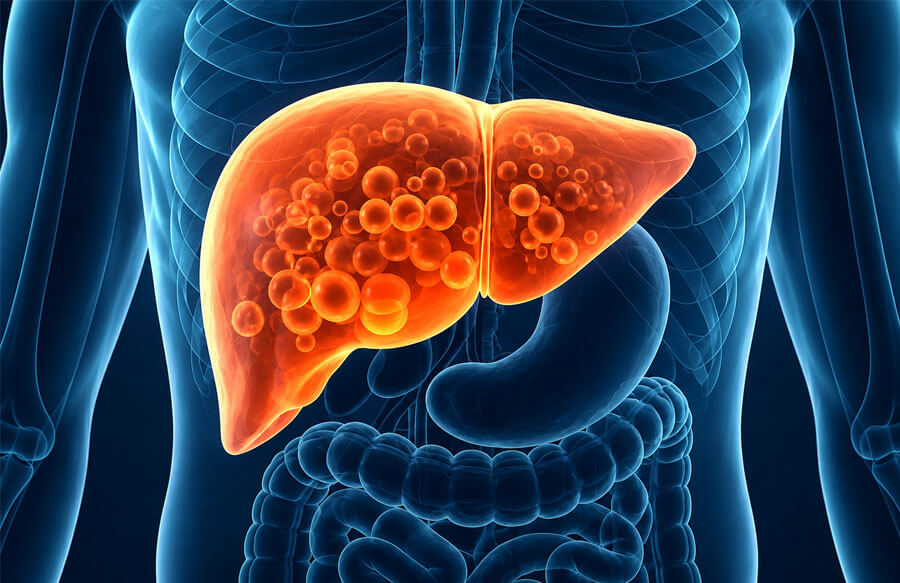
Fatty Liver
Fatty liver occurs when excess fat accumulates in the liver. It is commonly associated with metabolic conditions and lifestyle factors and may remain unnoticed until liver tests or imaging reveal the condition.
What Is Fatty Liver?
Fatty liver, also known as hepatic steatosis, refers to the buildup of excess fat within the liver. It may be related to obesity, diabetes, high cholesterol, metabolic disorders, alcohol consumption, or certain medicines. In some individuals, ongoing liver inflammation can lead to liver damage and scarring.
Common Symptoms
- Often no noticeable symptoms in the early stages
- Fatigue or weakness
- General abdominal discomfort
- Discomfort in the upper right abdomen
- Unexplained changes in weight
- In advanced cases, jaundice or abdominal swelling
Causes & Risk Factors
Fatty liver is commonly associated with excess body weight, insulin resistance, type 2 diabetes, high cholesterol or triglycerides, and an unhealthy diet. Excessive alcohol consumption can also contribute to fat accumulation and liver injury.
Diagnosis & Treatment
Fatty liver may be identified through liver function tests, abdominal ultrasound, or other imaging investigations. Your gastroenterologist may also assess blood sugar, cholesterol, body weight, and other metabolic risk factors. Management primarily focuses on addressing the underlying cause through weight management, healthy dietary habits, regular physical activity, and treatment of associated conditions.
Lifestyle Tips
- Maintain a healthy and gradual weight loss plan if overweight
- Follow a balanced diet with appropriate portion sizes
- Reduce foods high in added sugars and unhealthy fats
- Exercise regularly as advised by your doctor
- Control blood sugar and cholesterol levels
- Limit or avoid alcohol consumption
- Attend regular liver health check-ups when recommended
When to See a Doctor?
If you have been diagnosed with fatty liver, abnormal liver function tests, obesity, diabetes, or other metabolic risk factors, consultation with a gastroenterologist can help assess your liver health and determine the appropriate management plan. Symptoms such as jaundice, persistent abdominal swelling, or significant weakness require medical evaluation.
Final Thoughts
Fatty liver can often be improved with timely diagnosis, healthy lifestyle changes, and appropriate management of associated conditions. Regular medical evaluation can help monitor liver health and reduce the risk of progressive liver damage.