Balloon Dilatation
Balloon dilatation is a minimally invasive endoscopic procedure used to widen narrowed areas, or strictures, within the gastrointestinal tract. It helps restore the normal passage of food and digestive contents and may improve symptoms such as difficulty swallowing, vomiting, or obstructed bowel movement.
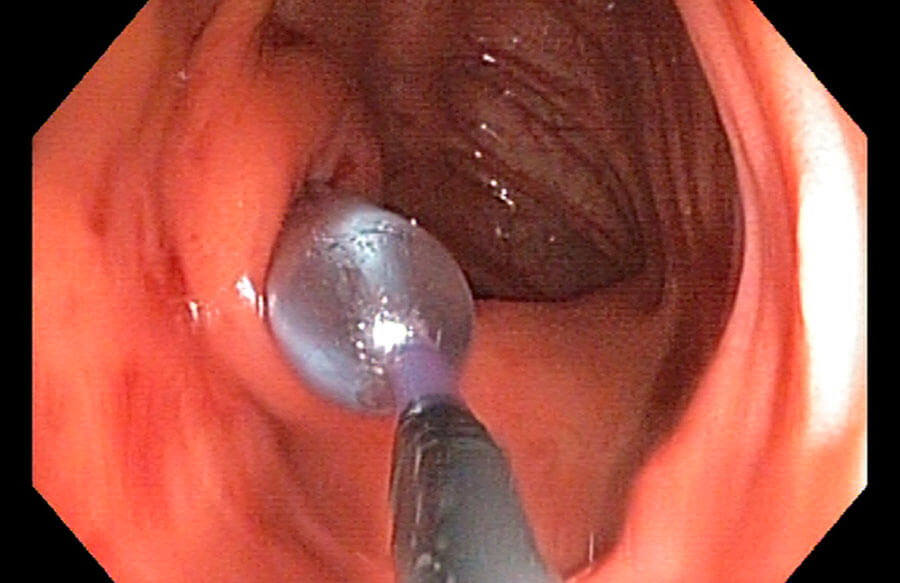
What Is Balloon Dilatation?
Balloon dilatation involves using a specialised inflatable balloon catheter to gently widen a narrowed segment of the digestive tract. The balloon is positioned across the stricture under endoscopic guidance and carefully inflated to expand the narrowed area.
The procedure can be performed in different parts of the gastrointestinal tract depending on the location and cause of the narrowing. The size and pressure of the balloon are selected according to the individual patient's condition.
Why Is Balloon Dilatation Performed?
Balloon dilatation may be recommended when a gastrointestinal stricture causes significant narrowing and interferes with the normal passage of food or intestinal contents.
- Oesophageal strictures causing difficulty swallowing
- Benign gastrointestinal strictures
- Strictures associated with inflammatory bowel disease
- Post-surgical or anastomotic strictures
- Selected treatment-related strictures
- Selected gastric or intestinal narrowings
- Benign biliary strictures in appropriate endoscopic procedures
How Is Balloon Dilatation Performed?
The procedure is generally performed under appropriate sedation or anaesthesia. A flexible endoscope is carefully advanced to the narrowed area, allowing the gastroenterologist to directly examine the stricture.
A specialised balloon catheter is then positioned across the narrowed segment. The balloon is gradually inflated to a controlled diameter for a specific period and then deflated. The process may be repeated or performed in stages depending on the severity and characteristics of the stricture.
After dilatation, the area is examined to assess the result and check for any immediate complications.
Balloon Dilatation for Oesophageal Strictures
Oesophageal strictures can make swallowing difficult and may develop due to conditions such as chronic acid reflux, previous injury, inflammation, or treatment-related changes. Balloon dilatation can help widen the narrowed segment and improve the passage of food.
Some patients may require more than one session, particularly when the narrowing is severe or tends to recur. The treatment schedule is determined according to the patient's symptoms and response to dilatation.
Balloon Dilatation for GI Strictures
Strictures can occur at different locations within the gastrointestinal tract because of inflammation, previous surgery, scarring, or other conditions. In appropriately selected patients, endoscopic balloon dilatation can help restore the opening and relieve symptoms caused by narrowing.
The underlying cause of the stricture also needs to be evaluated and managed to reduce the likelihood of recurrence.
Benefits of Balloon Dilatation
- Minimally invasive endoscopic treatment
- Helps widen narrowed gastrointestinal segments
- Can improve swallowing and passage of food
- May relieve symptoms caused by strictures
- Can avoid or delay surgery in appropriately selected cases
- Can be repeated when clinically required
Preparation & Recovery
Preparation depends on the location of the stricture and the type of endoscopic procedure being performed. Patients are generally advised to fast before upper gastrointestinal procedures, while additional preparation may be required for lower gastrointestinal interventions.
After the procedure, patients are monitored until they have adequately recovered from sedation. Dietary instructions may be provided depending on the location and severity of the stricture. Mild throat or abdominal discomfort may occur temporarily.
Risks & Considerations
Balloon dilatation is generally safe when performed in appropriately selected patients, but potential complications can include bleeding, mucosal injury, perforation, pain, or recurrence of the stricture. The risk depends on the location, cause, length, and severity of the narrowing.
Some strictures may require repeated dilatation or additional treatment. The gastroenterologist will determine the most suitable approach based on the patient's condition and response to treatment.
Follow-Up After Dilatation
Follow-up is important to assess improvement in symptoms and monitor for recurrence of the narrowing. Patients should report worsening difficulty swallowing, persistent vomiting, severe abdominal or chest pain, bleeding, or other unusual symptoms after the procedure.
In recurrent or complex strictures, additional endoscopic treatment or another therapeutic approach may be recommended.
When to Consult a Gastroenterologist?
Persistent difficulty swallowing, food getting stuck, recurrent vomiting, abdominal discomfort, or symptoms suggesting a gastrointestinal narrowing should be evaluated by a gastroenterologist. Specialist assessment can help identify the cause of the stricture and determine whether balloon dilatation is appropriate.
Final Thoughts
Balloon dilatation is an effective minimally invasive technique for widening selected gastrointestinal strictures and restoring the normal passage through narrowed areas. With appropriate evaluation and follow-up, it can significantly improve symptoms and help patients avoid more invasive treatment. Dr. Manish Dodmani provides advanced endoscopic management of gastrointestinal strictures with a focus on precise and individualized care.