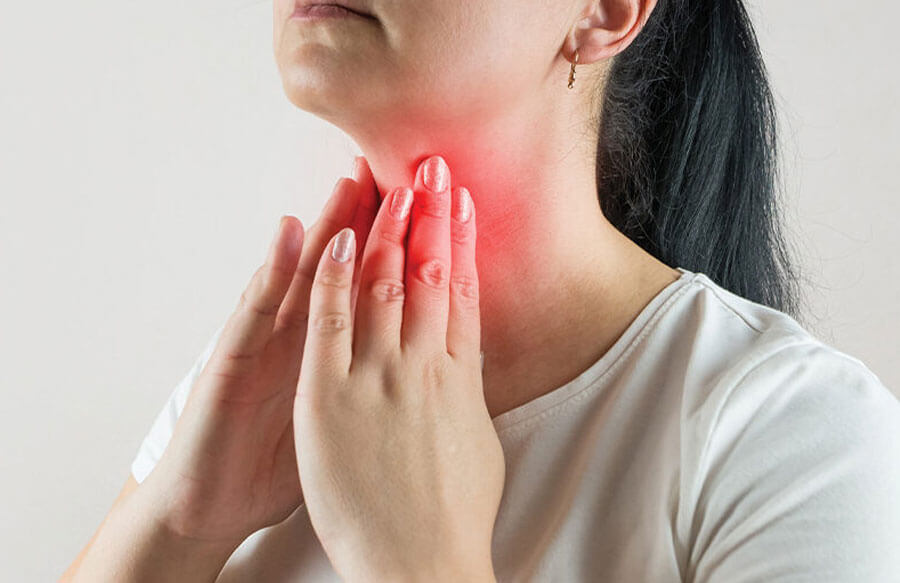
Swallowing Disorders
Swallowing disorders, also known as dysphagia, refer to difficulty or discomfort while swallowing food, liquids, or saliva. They can occur due to problems affecting the oesophagus or other parts of the swallowing process and may interfere with adequate nutrition and daily comfort.
Understanding Swallowing Disorders
Swallowing disorders occur when food or liquid does not move normally from the mouth through the oesophagus into the stomach. Causes may include narrowing of the oesophagus, motility disorders, reflux-related problems, inflammation, neurological conditions, or structural abnormalities.
Symptoms of Swallowing Disorders
- Difficulty swallowing food or liquids
- Feeling that food is stuck in the throat or chest
- Pain while swallowing
- Coughing or choking while eating
- Regurgitation of food or liquids
- Frequent heartburn or acid reflux
- Unexplained weight loss
- Changes in eating habits due to swallowing difficulty
Causes & Risk Factors
Swallowing difficulties may be caused by oesophageal strictures, gastroesophageal reflux disease, achalasia and other motility disorders, inflammation, certain neurological conditions, or structural abnormalities. The risk may also increase with age and certain underlying medical conditions.
Diagnosis & Treatment Options
Evaluation begins with a detailed medical history and assessment of swallowing symptoms. Depending on the suspected cause, investigations may include upper gastrointestinal endoscopy, imaging studies, oesophageal manometry, or other specialized tests. Treatment is based on the underlying cause and may include medicines, dietary modifications, balloon dilatation for strictures, or other endoscopic and therapeutic procedures when appropriate.
Advanced Endoscopic Treatment
Advanced endoscopic procedures can help diagnose and treat selected swallowing disorders. Balloon dilatation may be used to widen narrowed areas of the oesophagus, while specialized procedures such as Peroral Endoscopic Myotomy (POEM) may be considered for certain oesophageal motility disorders. The appropriate procedure depends on the underlying diagnosis and individual patient needs.
Lifestyle & Dietary Tips
- Eat slowly and chew food thoroughly
- Take smaller bites and smaller meals
- Choose food textures that are easier to swallow
- Drink adequate fluids as advised
- Avoid foods that consistently worsen swallowing symptoms
- Follow prescribed treatment and dietary recommendations
- Attend regular follow-up evaluations when recommended
When Should You See a Gastroenterologist?
Persistent difficulty swallowing, pain while swallowing, recurrent choking, food getting stuck, or unexplained weight loss should be evaluated by a gastroenterologist. Inability to swallow food or liquids, severe chest pain, breathing difficulty, or complete obstruction requires urgent medical attention.
Why Timely Treatment Matters
Swallowing disorders can have several underlying causes and should not be ignored when symptoms persist. Timely evaluation by a gastroenterologist can help identify the cause and guide appropriate medical or advanced endoscopic treatment to improve swallowing and digestive health.