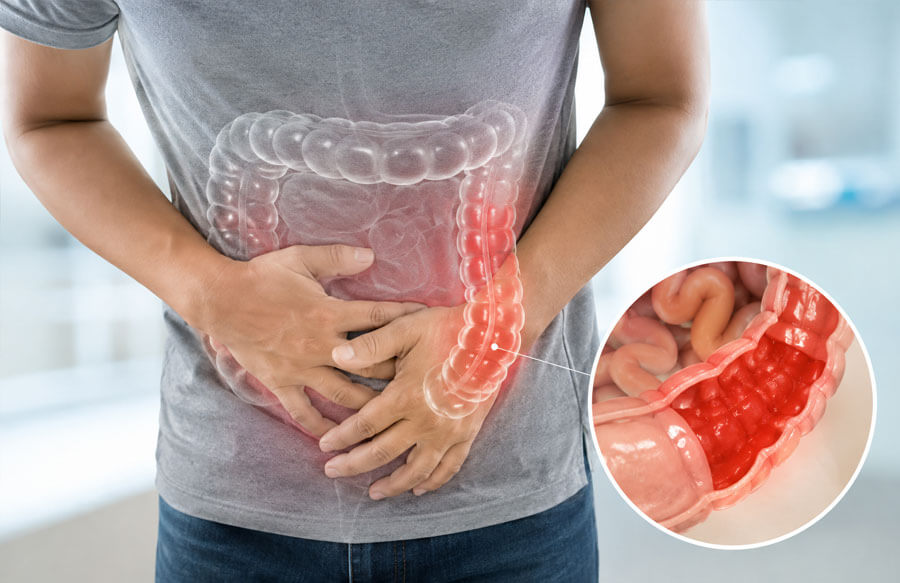
Irritable Bowel Syndrome (IBS)
Irritable Bowel Syndrome (IBS) is a common digestive disorder that affects the normal functioning of the bowel. It can cause recurring abdominal discomfort along with changes in bowel habits such as constipation, diarrhea, or both.
sWhat Is Irritable Bowel Syndrome (IBS)?
IBS is a functional gastrointestinal disorder in which the bowel may become more sensitive and its normal movement can be altered. Unlike inflammatory bowel diseases, IBS does not typically cause visible inflammation or permanent damage to the digestive tract.
Common Symptoms
- Recurring abdominal pain or discomfort
- Bloating and excessive gas
- Constipation
- Diarrhea
- Alternating constipation and diarrhea
- Changes in stool frequency or appearance
- Feeling of incomplete bowel movement
- Urgency to pass stools
Causes & Risk Factors
The exact cause of IBS is not fully understood. It may be associated with changes in bowel movement, increased sensitivity of the digestive tract, gut-brain interactions, previous gastrointestinal infections, food sensitivities, stress, and other individual factors.
Diagnosis & Treatment
Diagnosis is generally based on the patient's symptoms, medical history, and physical examination. Depending on the symptoms and clinical findings, blood tests, stool tests, or other investigations may be recommended to rule out other digestive conditions. Treatment is individualized and may include dietary changes, lifestyle modifications, medicines, and management of factors that worsen symptoms.
Lifestyle Tips
- Maintain regular and balanced eating habits
- Identify and avoid foods that trigger symptoms
- Stay adequately hydrated
- Include appropriate dietary fibre based on symptoms
- Exercise regularly
- Manage stress and maintain adequate sleep
- Follow prescribed medicines and dietary advice
When to See a Doctor?
Recurring abdominal pain, persistent changes in bowel habits, frequent diarrhea, or ongoing constipation should be evaluated by a gastroenterologist. Blood in stools, unexplained weight loss, persistent vomiting, fever, or symptoms that begin suddenly or worsen significantly require further medical assessment.
Final Thoughts
IBS can affect daily comfort and quality of life, but symptoms can often be managed with a personalized approach. Proper evaluation, dietary and lifestyle adjustments, and appropriate medical treatment can help improve bowel symptoms and support better digestive health.