Endoscopic Mucosal Resection (EMR)
Endoscopic Mucosal Resection (EMR) is an advanced minimally invasive procedure used to remove abnormal or potentially precancerous tissue from the lining of the gastrointestinal tract. It allows selected larger polyps, lesions, and superficial abnormalities to be removed through an endoscope without conventional open surgery.
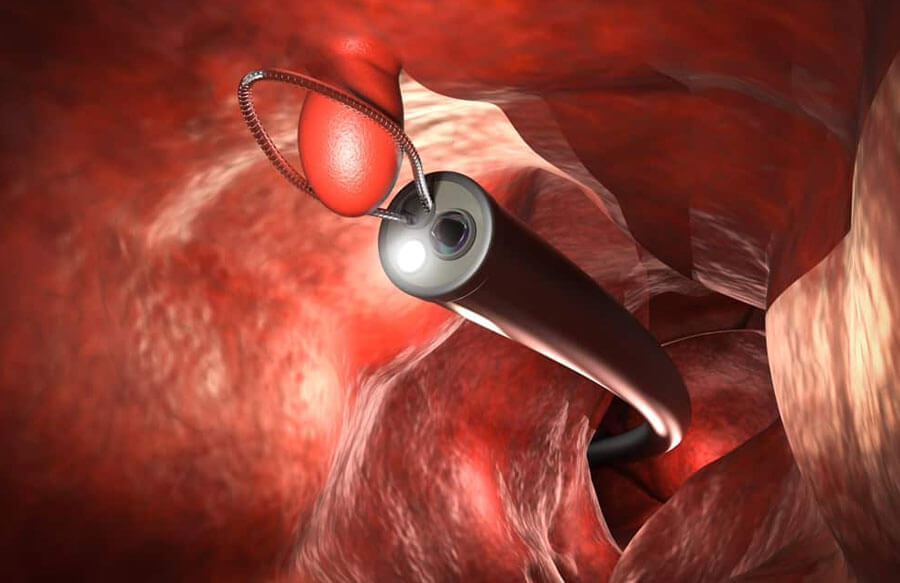
What Is Endoscopic Mucosal Resection (EMR)?
EMR is an advanced therapeutic endoscopic technique used to remove abnormal tissue that is limited to the superficial layers of the gastrointestinal tract. It may be performed in areas such as the oesophagus, stomach, duodenum, or colon, depending on the location and characteristics of the lesion.
During the procedure, the gastroenterologist uses specialised endoscopic instruments to lift the targeted lesion from the deeper tissue layers and remove it carefully. The removed tissue can then be sent for detailed pathological examination.
Why Is EMR Performed?
EMR may be recommended when a gastrointestinal lesion is considered suitable for endoscopic removal based on its size, appearance, location, and depth.
- Large or complex gastrointestinal polyps
- Large colon polyps
- Selected superficial oesophageal lesions
- Selected gastric lesions
- Superficial gastrointestinal neoplasms
- Potentially precancerous lesions
- Selected early-stage gastrointestinal lesions
- Abnormal tissue requiring complete endoscopic removal
How Is EMR Performed?
EMR is performed using a flexible endoscope under appropriate sedation or anaesthesia. The gastroenterologist first carefully examines the lesion and surrounding tissue to determine whether it is suitable for endoscopic removal.
A specialised technique is then used to lift the lesion away from the deeper tissue layers. This may involve injecting fluid beneath the lesion to create a safety cushion. The raised tissue is subsequently removed using an endoscopic snare or other specialised instruments.
The resected tissue is retrieved and sent for histopathological examination. The treatment area is carefully inspected after removal, and additional endoscopic measures may be used when required to manage bleeding or reduce other procedural risks.
What Conditions Can EMR Treat?
- Large and difficult gastrointestinal polyps
- Selected colorectal lesions
- Superficial oesophageal lesions
- Selected stomach lesions
- Early gastrointestinal neoplastic lesions
- Precancerous gastrointestinal abnormalities
EMR for Colon Polyps
EMR is particularly useful for removing larger or complex colon polyps that may not be suitable for simple polypectomy. The technique allows the gastroenterologist to remove selected lesions endoscopically while preserving the surrounding bowel.
Complete removal of appropriately selected precancerous polyps can help reduce the risk of progression to colorectal cancer. The removed tissue is examined by a pathologist to determine the nature of the lesion and whether additional treatment or surveillance is required.
Benefits of EMR
- Minimally invasive treatment through an endoscope
- Allows removal of selected larger gastrointestinal lesions
- May avoid conventional surgery in appropriately selected cases
- Provides tissue for detailed pathological examination
- Can help remove potentially precancerous lesions
- Generally involves less invasive treatment than surgical resection
Preparation & Recovery
Preparation depends on the location of the lesion and the type of EMR being performed. Patients may need to fast before an upper gastrointestinal procedure or undergo bowel preparation when the lesion is located in the colon. Medication instructions, particularly regarding blood-thinning medicines, will be provided based on the individual patient's condition.
After the procedure, patients are monitored for a period before discharge. Recovery recommendations depend on the size and location of the lesion and the extent of the resection. Dietary restrictions and follow-up instructions may be advised by the gastroenterologist.
Risks & Considerations
Although EMR is minimally invasive, potential complications can include bleeding, perforation, pain, infection, or narrowing at the treatment site in selected cases. The risk depends on factors such as the size, location, and depth of the lesion and the complexity of the procedure.
Some larger or deeply invasive lesions may not be suitable for EMR and may require another advanced endoscopic technique or surgical treatment. Careful assessment before the procedure helps determine the most appropriate approach.
Follow-Up After EMR
Follow-up after EMR is important, particularly when a large or complex lesion has been removed. The pathology report helps determine whether the lesion was completely removed and whether additional treatment or surveillance is required.
Depending on the findings, the gastroenterologist may recommend repeat endoscopy or colonoscopy at an appropriate interval to monitor the treatment site and check for recurrent or new lesions.
When to Consult a Gastroenterologist?
Patients with large or complex gastrointestinal polyps, suspicious superficial lesions, or abnormalities detected during endoscopy may require evaluation for advanced endoscopic removal. An experienced gastroenterologist can assess the lesion and determine whether EMR or another treatment approach is appropriate.
Final Thoughts
Endoscopic Mucosal Resection is an advanced therapeutic technique that allows selected gastrointestinal lesions to be removed through a minimally invasive endoscopic approach. It can provide both effective treatment and valuable tissue for pathological evaluation. Dr. Manish Dodmani offers advanced endoscopic procedures with careful assessment, precise treatment, and personalized follow-up for patients requiring EMR.