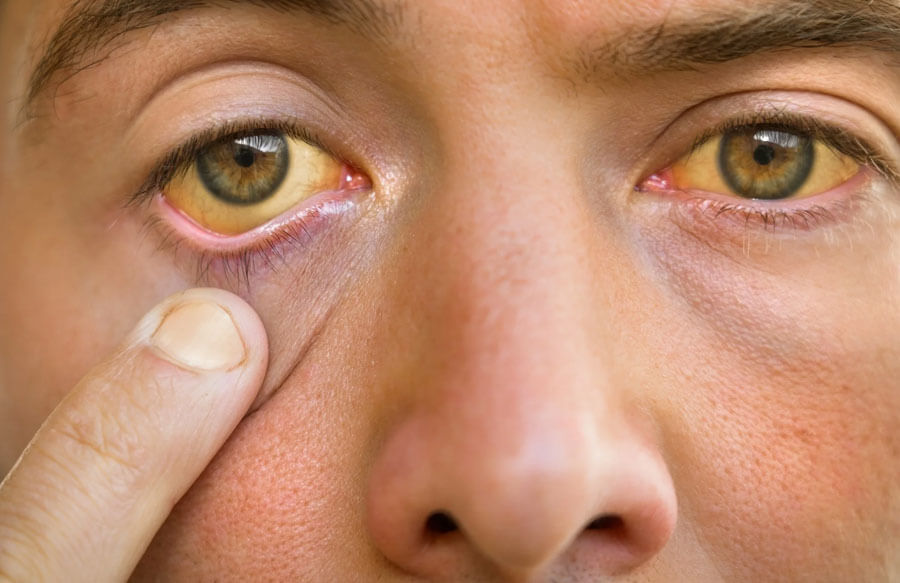
Jaundice
Jaundice is a condition in which the skin and whites of the eyes become yellow due to increased levels of bilirubin in the blood. It can occur because of liver disease, bile duct obstruction, blood-related conditions, or other underlying problems.
What Is Jaundice?
Jaundice develops when bilirubin, a yellow pigment produced during the normal breakdown of red blood cells, builds up in the body. The underlying cause may involve the liver, gallbladder, bile ducts, or other parts of the bilirubin processing pathway.
Common Symptoms
- Yellowing of the skin and eyes
- Dark-coloured urine
- Pale or clay-coloured stools
- Itching
- Fatigue and weakness
- Loss of appetite
- Nausea or vomiting
- Abdominal pain or discomfort
- Fever in cases associated with infection
Causes & Risk Factors
Jaundice may result from hepatitis, fatty liver-related liver injury, alcohol-related liver disease, gallstones, common bile duct stones, bile duct obstruction, certain medicines, or conditions that increase the breakdown of red blood cells. Identifying the underlying cause is important for appropriate treatment.
Diagnosis & Treatment
Evaluation usually includes a detailed medical history, physical examination, and blood tests such as bilirubin and liver function tests. Depending on the suspected cause, abdominal ultrasound, MRCP, EUS, or other investigations may be recommended. Treatment focuses on the underlying condition and may include medicines, supportive care, or endoscopic procedures such as ERCP when bile duct obstruction requires treatment.
Lifestyle Tips
- Follow a balanced and nutritious diet
- Avoid alcohol consumption
- Take medicines only as prescribed
- Stay adequately hydrated unless fluid restriction is advised
- Maintain a healthy body weight
- Follow recommended liver and digestive health check-ups
- Complete treatment for any underlying liver or bile duct condition
When to See a Doctor?
Any new or unexplained yellowing of the skin or eyes should be evaluated by a doctor. Jaundice accompanied by severe abdominal pain, fever, chills, persistent vomiting, confusion, or significant weakness requires prompt medical attention as it may indicate a serious liver or bile duct problem.
Final Thoughts
Jaundice is a symptom rather than a disease itself and can have several underlying causes. Timely evaluation by a gastroenterologist can help identify the cause and guide appropriate treatment to protect liver and digestive health.